
What is Supported Work and How Does it Work in Victoria
For Australians with disability, finding work can be challenging but it is possible. One option to explore is supported work, which is a genuine, valuable pathway into a fulfilling and rewarding role.
Find out what supported work is and how to connect with a provider.
Key takeaways:
- Supported work means real, paid jobs in real workplaces (e.g. cleaning, gardening, factory/warehouse roles) with dedicated support built in.
- Workers are typically part of a small team with a support worker on hand to help with tasks and communication as needed.
- It suits people who want routine, structure and social connection, whether as a stepping stone to independent work or a stable long-term role.
- Supported employment is funded under the NDIS (shaped by the Inclusive Employment Australia framework) and differs from DES-supported open employment (a support coordinator can help match funding to placement).
- In Victoria C2A places supported workers with real employers like Dulux and Melbourne Airport.
What is supported work in Victoria?
Supported work means having a real job, doing real work, with the right support in place to ensure success.
These types of work might be cleaning, gardening, or maintenance activities. The difference from open employment is the structure around it.
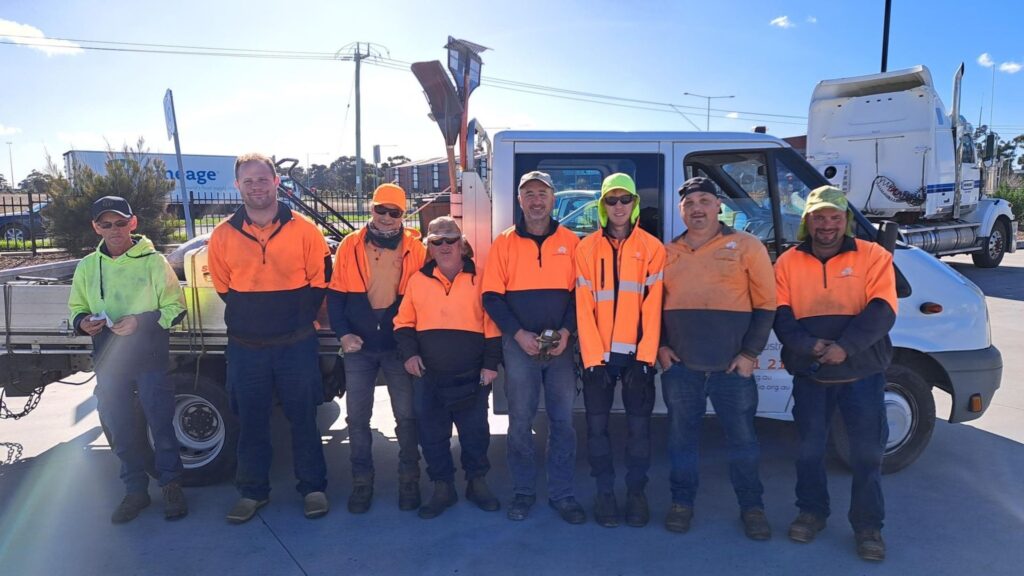
Supported workers usually work as part of a small team, with a support worker close by who can help with tasks, communication or anything else that comes up throughout the day.
The flipside of supported work is ‘social procurement’. This is when a government or privately owned organisation commits to having supported workers as part of its team.
Who is supported work suitable for?
Supported work tends to suit people with disability looking for the structure, routine and social connection that comes with having a job, but who benefit from having support readily available rather than navigating a workplace on their own.
For some individuals, a supported role is a stepping stone towards more independent employment. For others, it’s a long-term, stable arrangement that works well for years.
C2A has been providing supported work services for people with disability in Victoria for many years.
Who provides the work?
C2A places supported workers through ‘social procurement’ relationships with a range of employers, including major names like Dulux, Victorian Police and Melbourne Airport to name a few. These are real roles within real operations, supported by a structure that ensures everyone benefits, and workers are financially compensated for their contributions.
How does NDIS funding fit in?
Supported employment is recognised and funded under the NDIS, and the way this works has recently been shaped by the new Inclusive Employment Australia framework. If you’re a participant, your plan may include funding that supports your transition into and ongoing participation in supported work. A support coordinator can help you understand what’s available in your specific plan and how it connects to a supported work placement.
It's also worth understanding how supported work differs from open employment supported through Disability Employment Services (DES). Both are valid pathways, but they suit different needs and circumstances. If you’d like to compare the two, our guide to disability employment services in Victoria walks through how DES-supported open employment works.
For an overview of eligibility, NDIS funding requirements and the Supported Wage System from an authoritative source, the Australian Government's JobAccess page on supported employment is a helpful starting point.
Getting started with supported work through C2A
If supported work sounds like the right next step, the best place to start is with a conversation. Every participant’s situation, goals and funding arrangement is different, and the right placement depends on getting that match right from the outset.
Find out more about how supported work operates day-to-day and see examples of the kinds of roles available on our supported employment service page, or call us on 1300 111 212.